

Unlock value from contaminated land
Land remediation relief can unlock significant value for developers, investors, and occupiers. We help you identify what qualifies then guide you through how to realise it.

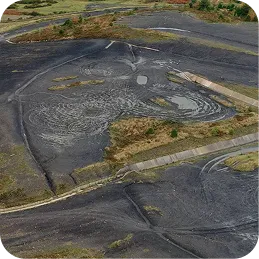
What is land
remediation?
Land remediation relief is a 150% tax relief available when you incur costs to clean up existing land and buildings contaminated by previous use, most commonly asbestos and Japanese knotweed.
If a site has a history, the risk required to redevelop, decontaminate, and bring it forward can be significant. But what’s not always clear is how much of that cost may qualify for land remediation relief.
We take a step back and look at the full picture. What’s happened on the site, what work is being carried out, and how that translates into a position that can be relied on. From there, we make sure it’s carried through in a way that stands up to scrutiny and aligns with your wider tax strategy.
Get in touch
A partner where it matters most
Land remediation is often approached too narrowly or too late, meaning value is left behind. The difference is taking a complete view and applying it properly. We make sure that happens.
Redeveloping contaminated sites
Not all sites come clean, and it’s not always obvious what that means in practice. We help you understand what remediation work qualifies, what it’s worth, and how to move forward.
Repurposing buildings with contamination issues
Converting existing buildings can bring hidden complexity. We review the details, establish what qualifies for land remediation relief, and ensure the position is handled properly.
Making sites suitable for new use
Preparing land or buildings for a new purpose often involves qualifying remediation work. We help you understand what sits within land remediation relief and how to approach it.
Remediation of derelict land
Derelict sites can feel like more risk than opportunity. We help you see what’s there, what qualifies, and how land remediation relief can support the transition back into use.
Where land remediation relief applies isn’t always obvious, but opportunity often exists.
Where redundant structures from previous use need to be removed to bring a site forward, part of the demolition cost may qualify.
Relief is available where costs are incurred to remove or encapsulate contamination already on site. This can include asbestos, chemicals, or heavy metals.
While the redevelopment itself does not qualify, the clean-up and preparation required due to prior use may fall within land remediation relief. Other build costs could still be captured through capital allowances.
Certain environmental works can qualify where they relate to addressing contamination or site conditions arising from previous use.
Where sites are affected by certain ground gases, such as methane or landfill gas, the cost of dealing with these issues may qualify.
We don’t just identify the opportunity. We ensure it’s handled correctly from the outset and seen through to a realised outcome.
Advisory-first
Every instruction starts with a simple question: is there genuine value? We focus on giving commercial advice upfront, before any detailed work begins.
Director-led delivery
All work is led by senior, experienced professionals. You deal directly with people who understand the details, risks, and how to get the right results.
Broad client base
We work with a range of clients, from owner-managed businesses to large institutional investors. We approach every engagement with clear advice and a commitment to realising value.
Relief identified and delivered
From initial review through to HMRC submission and enquiry support, our focus is on outcomes that hold up to scrutiny.
Transactions
We support transactions to ensure the approach is addressed before it’s too late. That means structuring correctly and making sure both sides are clear on the position.
What clients & partners say
“As a family run, self storage business, Tallex recently got us a £47,000 rebate for decontamination works on our latest site. Honest & straight-talking experts who made the process effortless, a real no-brainer for anyone with commercial property.”

“Tallex took the time to explain capital allowances and ensured it was a straightforward and simple process to go through. Their proactive approach and attention to detail ensured we achieved significant allowances against our tax liabilities. We highly recommend their services.”

“I would definitely recommend Tallex, they make our annual claim process extremely simple, generate good results, communicate clearly, understand our business and we genuinely feel we're getting good value for money at all times. ”

“Tallex offers a superb turnkey service, which was invaluable when we purchased our new technology centre. They are extremely knowledgeable, prompt, and clear in all communications, always happy to answer any questions we had. I wouldn’t hesitate to recommend them.”

“Our capital allowances position was greatly improved, and we received back corporation tax we had overpaid in previous years. A great outcome, I would recommend Tallex’s service.”

“Tallex are genuine specialists and an authority on capital allowances. Clear communication, practical advice and knowing how to work with us means they are a valuable partner to our practice, and we trust them in dealing with some of our biggest clients.”

“The claim process was completed with the utmost speed and efficiency by Tallex, without any inconvenience to us. They have a meticulous and professional approach, and we had a very favourable result.”

“Sean and the Tallex team assisted us on the capital allowances for an office acquisition we completed on recently. They provided great service throughout including the product and result. We look forward to working with Sean and the team on more projects in the future."
“Our clients have found working with Tallex straightforward, they are supportive throughout the process and their reports are comprehensive, well set out and easy to follow. I would be very content to refer Tallex to other clients.”